
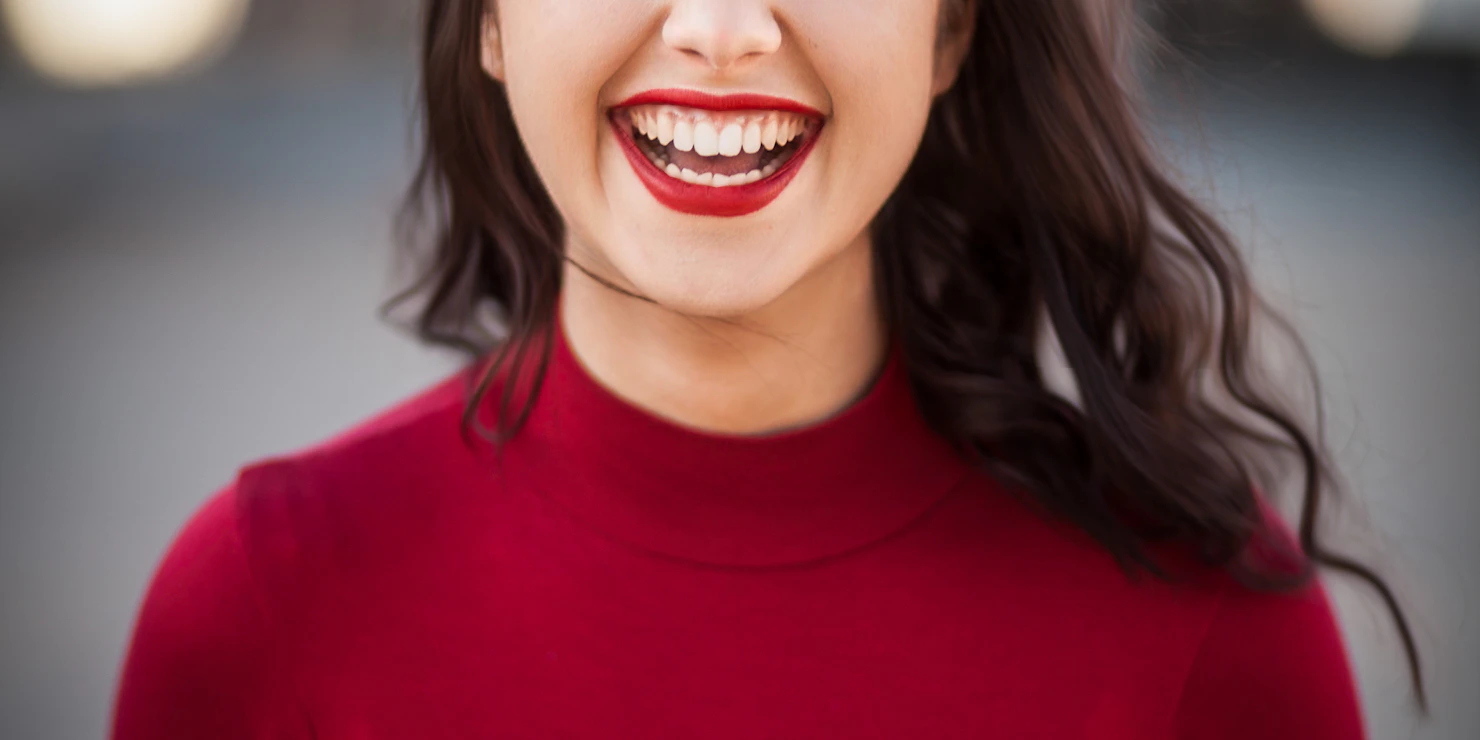
Most people treat their dating profile photos as an afterthought — a scroll through their camera roll for something recent, something where they look reasonable, something that'll do. Then they wonder why their results feel disconnected from who they actually are.
Photos do the vast majority of work on a dating profile. Hinge's internal data consistently shows that a profile photo decision takes around two seconds. In that window, you're being assessed for attraction, approachability, and authenticity simultaneously. The photo choices that work best aren't the most glamorous ones — they're the ones that communicate something real and create the conditions for a genuine first impression.
This is what the research and platform data actually shows.
What the data says
"The photos that attract the most genuinely compatible matches tend to be the least performative. They show someone in their actual context, not their best angle."
— Hinge photo research team, The Hinge Report: What Makes Profiles Work, 2024Photo types that work — and why
Clear face shot, natural light, genuine expression
Your primary photo should show your face clearly, ideally in natural daylight, with an expression that's natural rather than posed. The goal is that someone who meets you would immediately recognise you — not recognise a curated version of you. Outdoors, medium distance, unposed or mid-conversation with someone off-frame tends to work better than a mirror selfie or obviously staged headshot.
You doing something you actually do
Activity-based photos — at the climbing wall, in the kitchen, playing with a dog, at a gig — do two things simultaneously: they show your appearance in a natural context, and they provide conversation material. Someone who's also a climber will notice the wall. Someone who has a dog will notice the dog. These aren't props; they're authentic details. This only works if the activity is genuinely yours. Borrowed props are obvious.
A photo where you're laughing or mid-conversation
Candid shots where you're clearly enjoying a moment — laughing at something, in conversation, absorbed in something — signal approachability and that you're good company. These are often hard to get on purpose. The best ones come from asking a friend to photograph you at an event without warning, or going through candids from occasions where you weren't performing for the camera.
One social photo, maximum
A photo that shows you're a person who has people in your life — a group shot, a photo with a friend — works well as a secondary image. The rule is one, clearly identifiable (make sure it's obvious which person you are), and featuring people you'd actually be happy someone seeing. Group photos as a primary create confusion and sometimes the impression you're hiding behind other people. One is social context; multiple is a puzzle.
Our guide to writing a dating profile that actually creates genuine first messages — not just matches who don't convert.
Photos that are actively hurting your matches
Photos that are clearly old
If the person in your lead photo looks noticeably different from how you look now — different hair, obviously younger, different body — you're creating a false first impression that will be corrected on first meeting. The discomfort of that correction is real, and it starts the interaction with a small lie. Use photos from the last 12-18 months maximum.
All selfies, all the time
A profile consisting entirely of selfies signals — fairly or not — that you either don't have people in your life who take photos of you, or that you're only comfortable with the face you've learned to take. One selfie is fine; it can work well as a secondary photo showing your face up close. Six selfies from slightly different angles reads as hypervigilant about appearance in a way that creates distance rather than connection.
Every photo featuring the same outfit, location, or vibe
Variety — in context, expression, environment — shows that you have a life with different dimensions. All photos looking serious in city locations reads as one-dimensional. The goal isn't to show your entire life; it's to signal that there's more to discover than a single frame.
Heavy filters and editing
Apps that significantly smooth skin, alter face shape, or apply heavy aesthetic filters create an uncanny valley problem: people can usually detect heavy editing even if they can't articulate exactly what's wrong. More practically, they produce a first-date experience where the person meeting you has to recalibrate their expectations, which isn't the start anyone wants. Light editing for exposure and colour is fine. Face alteration is self-defeating.
The honest goal: attract people who'd actually like you
The aim of good profile photos isn't to maximise your match count. It's to attract people whose response to who you actually are is positive. A photo that presents a curated, idealised version of you will attract people who are attracted to that version — and produce disappointing first dates when the real version shows up. A photo that presents you accurately — in good light, naturally — attracts people who are attracted to the actual you.
This connects to the broader principle behind effective dating profiles generally: specificity and authenticity produce better match quality, not higher match quantity. For context on which apps tend to attract which demographics, that affects whether your photo style even reaches the right people. And if you're working on your whole online dating approach, the red flags to watch for in other people's profiles tells you what evaluators on the other side are seeing.
Weekly insights on attachment, relationships and finding lasting love.
Related reading
Online Dating Guides
Online Dating Guides
Online Dating Guides
100% free until January 2028
LoveCertain matches you on values, life stage, attachment and communication — the four things that predict a lasting relationship. No card required.
Related: The Data on Online Dating: What Actually Works.
Related: online dating tips for women: what actually works in 2026.
Related: dating profile bio ideas for men — what actually works.
Related: how to spot a fake profile on a dating site.
100% free until January 2028
LoveCertain matches you with someone genuinely compatible — on values, life stage, attachment and communication. Free until January 2028, no card required.