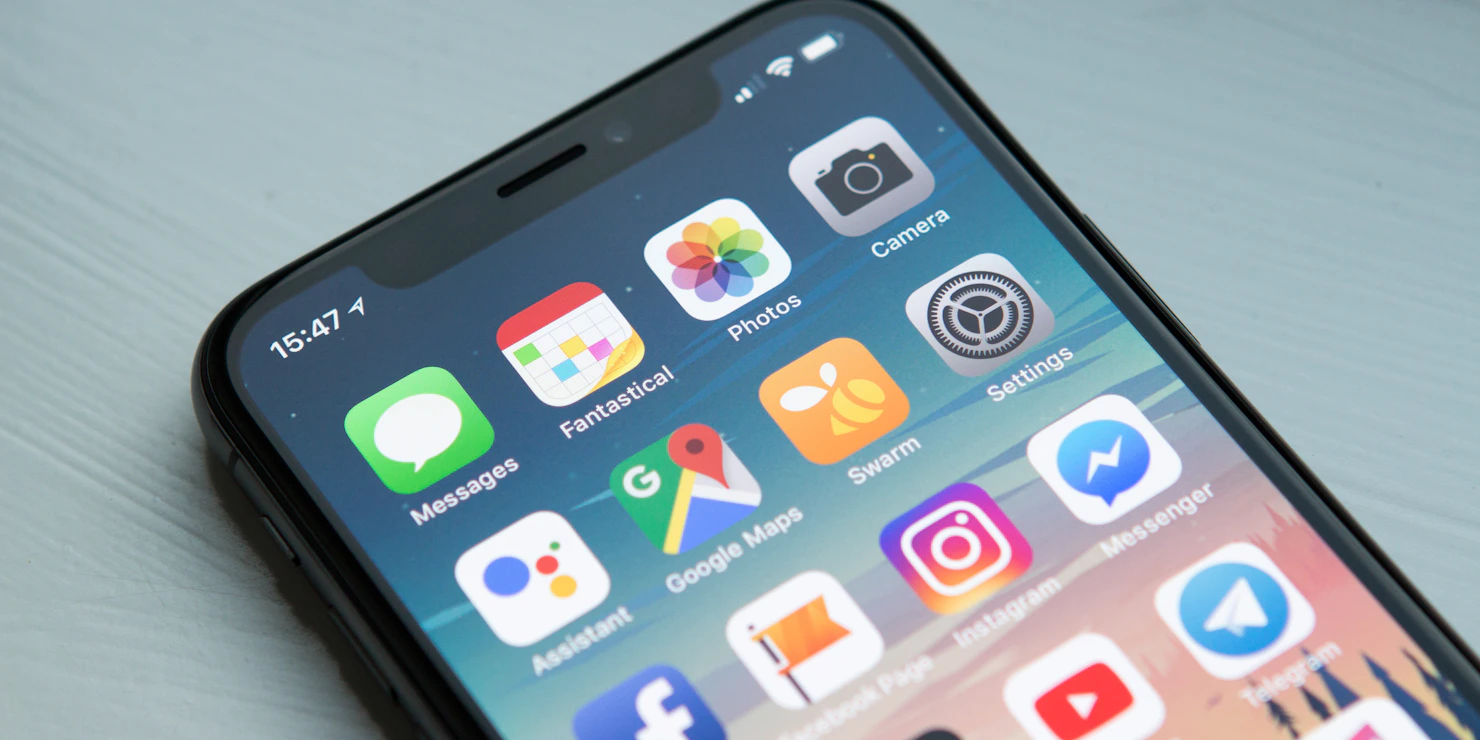
There are roughly thirty dating apps available in the UK right now. That number has grown every year. And yet, by most measures, dating outcomes haven't improved at all — in fact, relationship satisfaction among couples who met online has declined compared to the early 2010s, even as the apps have gotten slicker and more feature-rich.
The problem isn't usually the apps themselves. It's that most people use them without thinking carefully about what they're actually optimised for. Every app is designed around a specific metric — and that metric is almost never "people finding lasting relationships." Understanding what each platform is actually built to do helps you use them more deliberately, or decide to skip them entirely.
This guide covers the major apps honestly, including their actual incentive structures, who tends to do well on them, and — crucially — what to do if none of them are working for you. We'll also look at what a different kind of matching actually looks like.
What Dating Apps Are Actually Optimised For
Before comparing specific apps, it's worth being clear about something that apps don't advertise: their business models create incentives that are often misaligned with your goal of finding a relationship.
Subscription apps need you to stay subscribed. That means keeping you engaged — swiping, matching, messaging — not necessarily helping you find someone quickly and leave. Free apps with advertising need you on the platform as long as possible. And even "premium" features like boosts and super-likes are sold to people who already feel like they're not getting enough attention, which isn't exactly a neutral dynamic.
"Dating app companies make more money when you're frustrated enough to upgrade, but not so frustrated that you quit. That's the narrow band they're optimising for."
— Analysis of dating app revenue models, LoveCertain researchThis isn't cynical — it's just how the economics work. Knowing this doesn't mean you can't use apps productively. But it does mean you should use them on your terms, not theirs.
The Major Apps: An Honest Breakdown
Tinder's original insight — photo-based rapid-fire matching — was genuinely novel in 2012. In 2026, it's just… the thing everyone does. The platform has the largest user base of any app in the UK, which sounds like an advantage, but volume cuts both ways: most interactions go nowhere, and the sheer quantity of options makes it harder to invest meaningfully in any single conversation.
Tinder's interface explicitly discourages reading profiles before swiping. Research published in the Journal of Social and Personal Relationships found that Tinder users tend to make match decisions in under 0.5 seconds — which tells you something about how much "compatibility" is being assessed. Works best if you're in a major city, under 35, and comfortable with high-volume, low-investment interaction. Less well-suited to people who are serious about finding a specific kind of relationship quickly.
Bumble's core idea — women message first in heterosexual matches — does reduce unsolicited contact. That's a genuine improvement over Tinder. But the 24-hour match expiry creates a manufactured sense of urgency that pushes people to message before they're ready, often producing low-quality openers.
The expansion into BFF (friendship) and Bizz (networking) modes has made Bumble feel increasingly unfocused — it's not entirely clear what it's for anymore. User-reported relationship rates are similar to Tinder's. Worth trying if you've been put off by the dynamic on other apps; less worth it as your primary platform.
Hinge is the most thoughtfully designed of the major apps. The prompt system — where users answer three written questions that others can comment on directly — nudges people toward actual conversation rather than just appearance-based matching. Profiles tend to be more revealing than Tinder or Bumble.
That said, it's worth noting that Hinge is owned by Match Group, which also owns Tinder. The "designed to be deleted" positioning is marketing — their revenue model still depends on keeping you subscribed to Hinge+ or Rose credits. It's the best mainstream option if you want to try apps, but be clear-eyed about what you're working with.
Match.com is an older platform that skews toward the 30–55 demographic and, as a result, attracts people who are generally more serious about finding a relationship rather than just dating casually. The profiles are more detailed, the subscription costs more, and the smaller user base means fewer options — but potentially better signal-to-noise ratio.
If you're over 35 and specifically want to meet people who are serious about a long-term relationship, Match is worth considering. Less useful if you're under 30 or in a smaller city.
100% free until January 2028
LoveCertain matches you on values, life stage, attachment and communication — the four things that predict a lasting relationship. No card required.
What the Research Says About App Matching
The uncomfortable finding from a decade of research on online dating outcomes is that people are not very good at predicting who they'll be compatible with based on photos and short profiles. A landmark study by Eli Finkel at Northwestern University found that the dimensions people use to evaluate profiles (physical attractiveness, stated interests, demographic information) are poor predictors of actual relationship satisfaction.
What actually predicts relationship satisfaction? According to decades of Gottman Institute research, it's things like shared values, compatible attachment styles, and communication patterns — none of which are easily visible in a photo or captured in a three-word bio.
This is the fundamental mismatch at the heart of app-based dating: the filtering mechanism (photos, brief text) is optimised for initial attraction, not long-term compatibility. Apps are aware of this. Hinge's algorithm does try to incorporate behavioural signals. But the gap between what apps measure and what actually matters remains significant.
"People who met online report lower relationship quality than those who met through social networks — even after controlling for demographic factors."
— Rosenfeld, Thomas & Hausen, Stanford University, 2019Who Does Well on Dating Apps (and Who Doesn't)
Dating apps tend to work better for some groups than others. Being honest about this matters, because people who aren't in the "does well" category often conclude that something is wrong with them, when really the platform just isn't suited to how they present or what they're looking for.
Apps tend to work better for people who are young (under 30), conventionally photogenic, in large cities, comfortable with high-volume interaction, and looking for something fairly casual or open-ended. They tend to work less well for people who are introverted, slower to warm up, over 40, in smaller towns, or specifically looking for a serious long-term relationship.
That's not a flaw in those people — it's a feature of the medium. Photos and short bios naturally advantage certain presentations of self. If the format doesn't suit you, a different approach might produce dramatically better results.
Practical Advice: Using Apps More Deliberately
If you're going to use apps, here are the habits that tend to produce better outcomes based on what research actually supports:
Set a time limit, not a match limit. Spend a defined amount of time on apps each day (20–30 minutes maximum) rather than checking compulsively. Compulsive use creates anxiety without improving outcomes.
Write a real bio. It's remarkable how many profiles have nothing useful in them. The people who succeed on apps almost universally have profiles that are specific, genuine, and slightly unusual — not a list of generic interests. The bar is genuinely low.
Move off the app quickly. Apps are not designed for deep conversation. If there's real interest, suggest a call or a first date within a few messages. Long app conversations rarely convert to strong real-world connections.
Take breaks deliberately. Three months of active effort is roughly the amount of time worth giving any app. After that, if it's not producing worthwhile connections, switch approaches rather than escalating investment in the same thing.
When Apps Aren't the Right Answer
Here's the honest version: for a significant proportion of people — particularly those who know exactly what kind of relationship they want and have struggled to find it through apps — the fundamental approach of apps (volume-based, photo-first, self-directed) is simply the wrong model.
A different approach is matching based on relationship science: assessing values, life stage, attachment style, and communication patterns, then showing you only people who meet a meaningful compatibility threshold. This is slower and produces fewer matches — but the matches it produces are far more likely to lead somewhere real.
LoveCertain works this way.It's completely free until January 2028 — no card required. It's designed for people who are serious about finding the right person, not about maximising the number of dates they go on.
You can read more about how it works, including what the matching process actually involves and what makes someone a good fit for this approach versus the app approach.
Weekly insights on attachment, relationships and finding lasting love.
The Bottom Line
The right app depends on what you're looking for and how you present. Hinge is the best of the mainstream options. Bumble is worth trying if the usual dynamic puts you off. Tinder is for volume and casual connection more than serious relationships. Match.com skews older and more serious.
But the deeper question isn't which app — it's whether the app model suits what you're actually trying to find. For a lot of people, the answer to that question, on reflection, is no. And that's useful information, not a reason for despair. There are better approaches — it's just worth being clear about what you're choosing and why.
Related: LGBTQ+ Dating: Finding Genuine Connection Beyond the App.
100% free until January 2028
LoveCertain matches you with someone genuinely compatible — on values, life stage, attachment and communication. Free until January 2028, no card required.