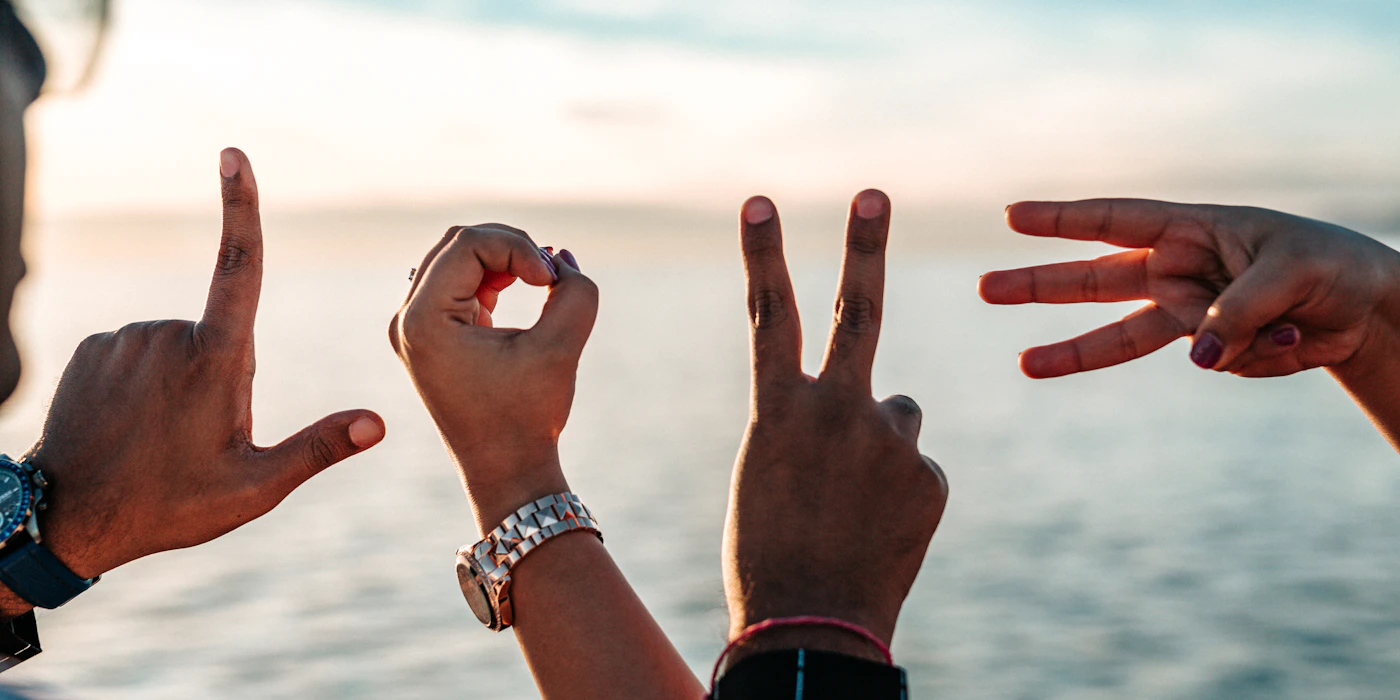
Infatuation feels exactly like love. That's the problem.
In the early weeks of a new relationship, the neurochemistry is intense: dopamine (reward), norepinephrine (focus and novelty), decreased serotonin (obsessive thinking). Your brain is flooded with chemicals that make another person seem perfect, make you want to spend every moment together, make you interpret ambiguous behaviour as passion rather than indifference.
Then usually, between three months and two years, those chemicals normalize. And that's when you find out whether you actually like this person, or whether you were just infatuated with a version of them.
What infatuation actually is
"Infatuation is primarily physiological — it's a state of intense romantic desire and deep attachment formed by a pathogen of lust. Love involves care, commitment, and deep knowledge of another person."
— Helen Fisher, Why We Love (2004)Infatuation has specific features:
You're drawn to who you think they are, or who they could be, or the version of yourself you become around them. You overlook or reinterpret red flags. "He's emotionally unavailable but that's because he's been hurt" rather than "he's emotionally unavailable."
You see them clearly — strengths and limitations — and you care about them anyway. You don't need them to be different. You can be disappointed and still be committed.
Small disappointing moments ("he took 3 hours to text back") feel like evidence of his unworthiness. One criticism from you or them feels like the relationship is over. You're extremely sensitive to any perceived withdrawal.
Disappointment doesn't shake the foundation. You can disagree, feel hurt, and still trust that the relationship is solid. Your sense of the person and your commitment aren't undermined by temporary friction.
You're obsessed with new information. Every text is analysed for hidden meaning. You want to know everything about them, but you're not necessarily interested in understanding them. You're collecting information like pieces of a puzzle.
You understand why they do things, what scares them, what their real values are. You know them over time, through different contexts. You predict how they'll react because you actually know them.
And you can be in love with someone you're not currently feeling infatuated with. Early on, love usually has infatuation attached. But as the chemicals normalize, you find out whether there's actually something underneath.
100% free until January 2028
LoveCertain matches you on values, life stage, attachment and communication — the four things that predict a lasting relationship. No card required.
What to do while you're in the infatuation phase
Moving in, saying "I love you," defining the relationship, deleting your dating apps — these can all wait 3-6 months. If it's real, it'll still be real when the chemicals normalize. If it's infatuation, you'll be grateful you didn't move too fast.
Infatuation makes you want to merge completely. Resist this. Time with friends, family, and your own interests isn't taking away from the relationship — it's protecting you from discovering too late that you have nothing else in your life.
In the infatuation phase, people are often on their best behaviour. But disagreement reveals character. Do they listen? Can they take responsibility? Do they become defensive? Can they repair? These responses matter far more than their charm.
Ask yourself: Do I respect this person? Do I share their values? Do I want the life they want? Do I genuinely enjoy their company, or do I just enjoy how they make me feel about myself?
Weekly insights on attachment, relationships and finding lasting love.
After the infatuation wears off
If you're past the infatuation phase and you still genuinely like this person, still feel committed, still want to work through difficulty together — that's love. Or the beginning of it.
Real compatibility, built on values alignment, compatible attachment styles, and genuine emotional intelligence, becomes more important than chemistry once the chemicals normalize.
The gift of understanding the difference between infatuation and love is that you can choose more wisely. You can let infatuation be what it is — exciting, intoxicating, temporary — without mistaking it for evidence that someone is your person. And you can build love with someone who actually is.