
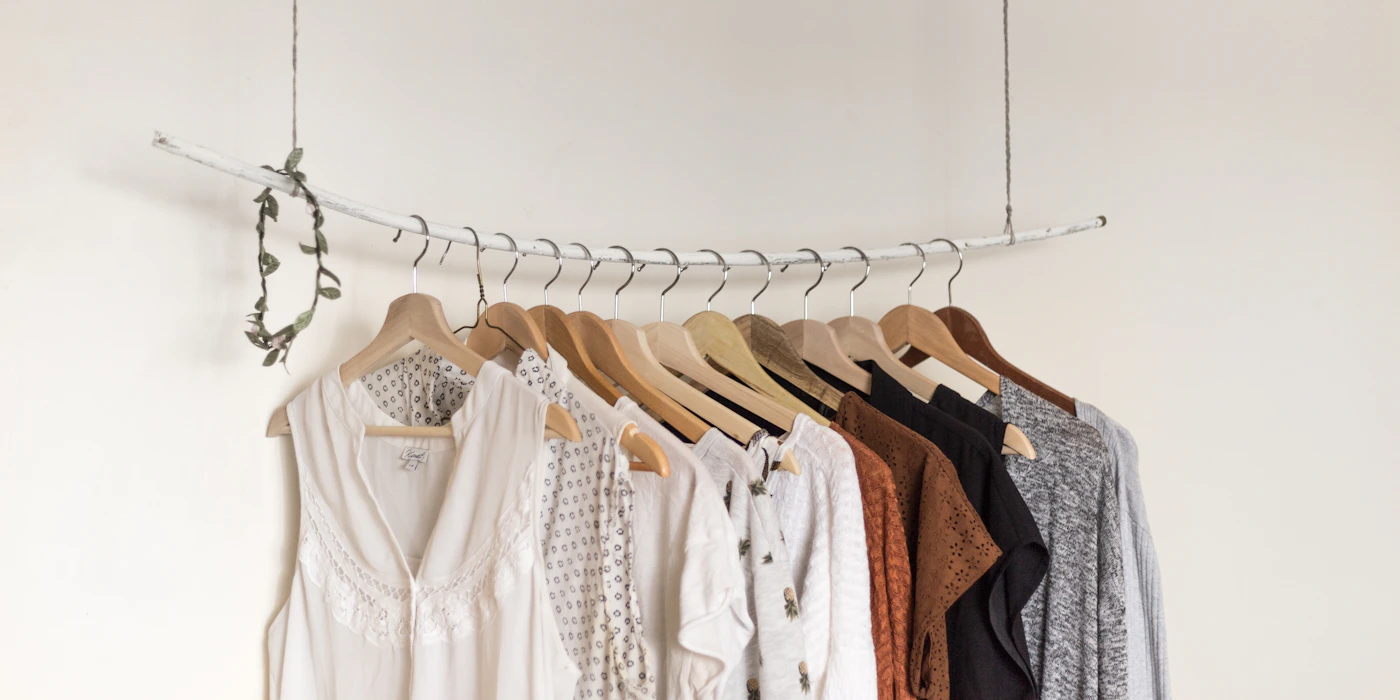
The first date outfit question attracts a remarkable amount of advice for something that matters less than most of it suggests. Research on first impressions is fairly consistent on one point: the quality of your conversation, your curiosity about the other person, and whether you seem comfortable in your own skin matters far more than what you're wearing. What you wear affects the first few seconds. What you do with the next sixty minutes determines the outcome.
That said, what you wear does affect how comfortable and confident you feel — and that has downstream effects. The actual goal of first date clothing is to make you feel like yourself, at a level of formality that suits the setting, in something you're not thinking about once you're wearing it.
"First impressions are formed within seconds and updated continuously. Clothing is relevant for roughly the first thirty seconds. After that, what you say and how you listen is what matters."
— Summary of first impression formation research (Ambady & Rosenthal, Willis & Todorov)The one rule that actually applies
A first date is not the moment to wear a new outfit for the first time. New clothes produce self-consciousness — you're monitoring how they sit, whether they look right, whether you've made an error. Clothes you've already worn and felt good in are clothes you stop thinking about. That is precisely what you want.
A first date is not inherently formal or casual — it depends on where you're going. Showing up to a coffee date in a suit is as misaligned as showing up to a smart restaurant in gym wear. Whatever the venue suggests, dress to match it — slightly neater, if anything, but not dramatically above the setting.
If there's any chance of walking — and there often is — wear shoes you can walk in. Discomfort in your feet affects your mood, your body language, and your willingness to extend the date if it's going well. This is practical and not about aesthetics.
By date type
Smart-casual at most. A good-fitting pair of trousers or jeans, a neat top, a jacket if the weather requires. Nothing that makes sitting across a small table feel like a performance. The point of a coffee date is the conversation; your clothes should be irrelevant to it.
Dinner suggests one level above everyday. Not a suit or formal dress unless the restaurant genuinely warrants it — most first date restaurants don't. A neat outfit that you'd wear to see a friend at a decent pub is usually exactly right. The key word is "neat": clean, pressed, intentional.
Casual-smart with comfortable shoes. You'll be on your feet, walking, potentially at the venue for a couple of hours. Prioritise comfort and neatness equally. A layer is useful because gallery spaces tend to be either cold or warm and rarely both.
Outdoor dates prioritise practicality. Good footwear matters more than almost anything else. Dress for the actual weather with appropriate layers. The best version of this is clothes that look put-together but are genuinely functional — not a compromise between smart and warm, but something that achieves both.
A step above a coffee date. A bar evening suggests slightly more intentional dressing — still relaxed, but an outfit you'd wear to something social and deliberate rather than to run errands. The line between smart-casual and smart is genuinely fine and usually managed by footwear.
If you're doing something where you'll be moving around, potentially getting something on your clothes, or handling equipment — pottery, cooking, bowling — wear something you don't mind if it gets marked. Deliberately wearing your best outfit to an activity that might ruin it creates unnecessary stress.
100% free until January 2028
LoveCertain matches you on values, life stage, attachment and communication — the four things that predict a lasting relationship. No card required.
What overthinking your outfit is actually about
When people spend significant time worrying about what to wear on a first date, it's often a displacement activity for first date anxiety more broadly. The outfit question has a definitive answer: the conversation question doesn't. The anxiety migrates to where there's something actionable to do about it.
This is worth knowing because it means that resolving the outfit question doesn't resolve the underlying anxiety. What helps with first date nerves more directly is covered in the guide to calming down before a first date — the short version being that reframing the anxiety as excitement (not trying to suppress it) is the most evidence-backed approach.
Your clothes are part of a first impression, but they are interpreted through everything else — how you arrive, how you greet them, your posture, what you say, how you listen. Clothing without conversation is not particularly informative. Don't assign it more explanatory weight than it carries.
Research on attraction on first dates consistently finds that the quality of conversation and sense of being seen and understood predicts wanting a second date far more than physical appearance. If you're dressing in a way that makes you feel attractive but uncomfortable or unlike yourself, the tradeoff is probably not worth it.
The practical checklist
Well-fitting clothes in neutral colours almost always beat trendy clothes in poor fits. This applies regardless of gender, budget, or personal style. The single most effective thing you can do with a limited clothing budget for dating is ensure what you own fits well.
Three basic filters for whatever you're wearing: Is it clean? Is it unwrinkled? Does it look like you chose it on purpose? If all three are yes, you're probably fine regardless of the specific items.
Check the forecast. Know whether you'll be inside or outside, whether you'll be walking, whether the venue has coat storage. These logistical details affect which version of your "good outfit" is actually appropriate for the specific day.
The most commonly reported negative first impression related to clothing is not under-dressing — it's the visible sense that someone is trying very hard to make an impression. This reads as insecurity, which creates distance. "Effortful but not trying" is a reasonable heuristic. Clothes you know work on you and have worn before achieve this by default.
Once the outfit question is settled, the more productive preparation for a good first date is thinking about what you're genuinely curious to know about this person. What would you actually like to find out? The best first date conversations come from genuine curiosity, and that's harder to fake and more valuable than any outfit choice.
Weekly insights on attachment, relationships and finding lasting love.
Related reading


Related: Exact Follow-Up Texts After a First Date (Real Examples).
Related: our piece on relationship stages.
100% free until January 2028
LoveCertain matches you with someone genuinely compatible — on values, life stage, attachment and communication. Free until January 2028, no card required.